

❋
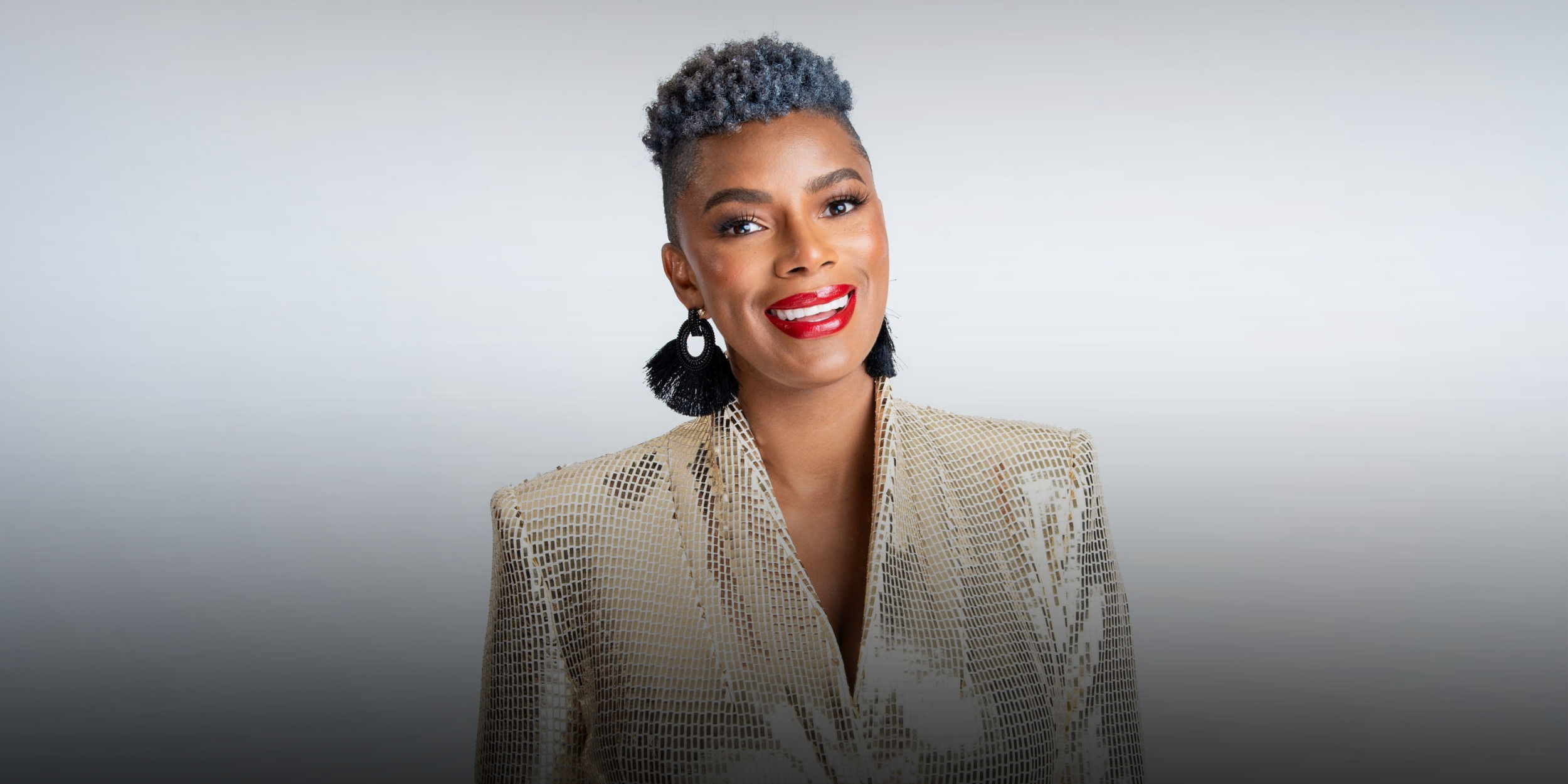
Karlyn Percil
Cultural Architect. Human Readiness Strategist. Human-Centred AI Governance Advisor
Areas of Expertise
Future of Work & Leadership • Human Readiness Leadership • Emotional & Cultural Intelligence • Responsible AI
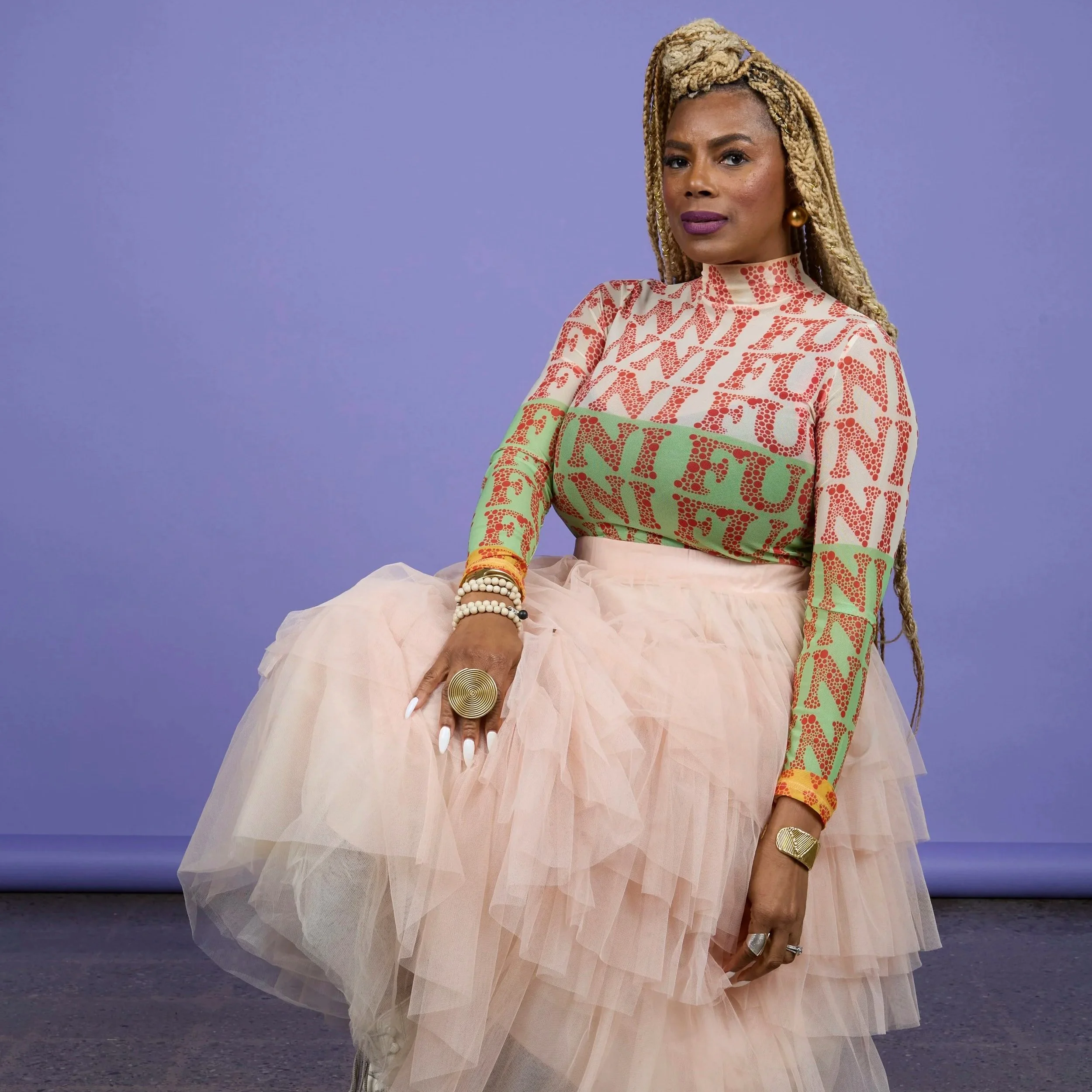
Karlyn Percil is a Certified Emotional Intelligence Coach and Neuro-Leadership Coach, trained in neuroplasticity under Dr. Rick Hanson. As a Cultural Architect and Human Readiness Strategist, she helps leaders build the emotional intelligence, cultural intelligence, and psychological trust that today's complexity and disruption demand. She is also a Human-Centred AI Governance Advisor and the Founder of KDPM Equity Institute.
Karlyn's work sits at the intersection of neuroscience, emotional intelligence, ancestral and lived leadership wisdom. She calls this Integrated Intelligence, the belief that the future will not be shaped by technology alone, but by the human intelligence leaders choose to cultivate first. To make trust and belonging practical rather than aspirational, she has developed proprietary frameworks including the 13 Cultural Trust Principles™ and the SOIL Framework™, giving leaders a concrete methodology for building the psychological safety high-performing teams require.
Born in St. Lucia (Iouanalao/Hewanorra) and based in Toronto, Karlyn's approach is grounded in Lokono and Kalinago Indigenous traditions of the Caribbean and West African ancestral lineages, combined with 23 years of international banking experience and more than 15 years of practice-based research through SisterTalk Group. She has brought this work to organizations including TD Bank, KPMG, Pinterest, and Dentsu,translating cultural intelligence into frameworks leaders can act on, from building trust and belonging to leading responsibly through AI-driven change.
Her signature message: Culture as Compass, Leadership is a practice and AI readiness begins with human readiness.
❋
Signature Topics
❋ The Neuroscience of TrustThe leaders of tomorrow will need more than technological fluency, they will need a nervous system built for uncertainty. Trust, safety, and belonging are not just cultural outcomes; they are neurological states. When people feel psychologically unsafe, the brain moves into threat response narrowing focus, eroding creativity, and shutting down the very capacities organizations need most: judgment, innovation, and connection. Drawing on her 13 Cultural Trust Principles™ and grounded in neuroleadership and positive neuroplasticity, Karlyn explores how leaders move organizations out of chronic stress states and into the focused, collaborative, adaptive capacity that complex environments demand.
Audiences will learn to:Understand the neuroscience of trust, threat, and psychological safety in teams
Build resilience and focused attention as leadership disciplines, not personal wellness add-ons
Apply a repeatable methodology (not just good intentions) for building psychological trust
❋ Beyond InclusionThe language around inclusion may continue to evolve, but the human need for belonging remains. This keynote explores belonging as an organizational ecosystem, one built through psychological trust, cultural intelligence, relationships, and meaningful participation and gives leaders a concrete way to build it, not just talk about it.
Audiences will learn to:Recognize the difference between representation and belonging.
Understand how culture impacts trust, innovation, and retention.
Build environments where people can contribute fully.
❋ Dream Bigger, TogetherThe future will not be shaped by technology alone. It will be shaped by the humans who guide it. As disruption accelerates, leaders must cultivate the human capabilities technology cannot replace: imagination, curiosity, emotional intelligence, cultural intelligence, creativity, courage, and judgment. This keynote introduces a human-centred model for preparing leaders not just systems for what's next.
Audiences will learn to:Understand the gap between technical literacy and human readiness.
Identify the capabilities required for future-focused leadership.
Create conditions where people can adapt, innovate, and thrive.